
The Norwegian archipelago of Svalbard might well be the only place on Earth where inhabitants are required by law to be armed in certain areas – not with a revolver or a pistol, but a high-powered rifle.
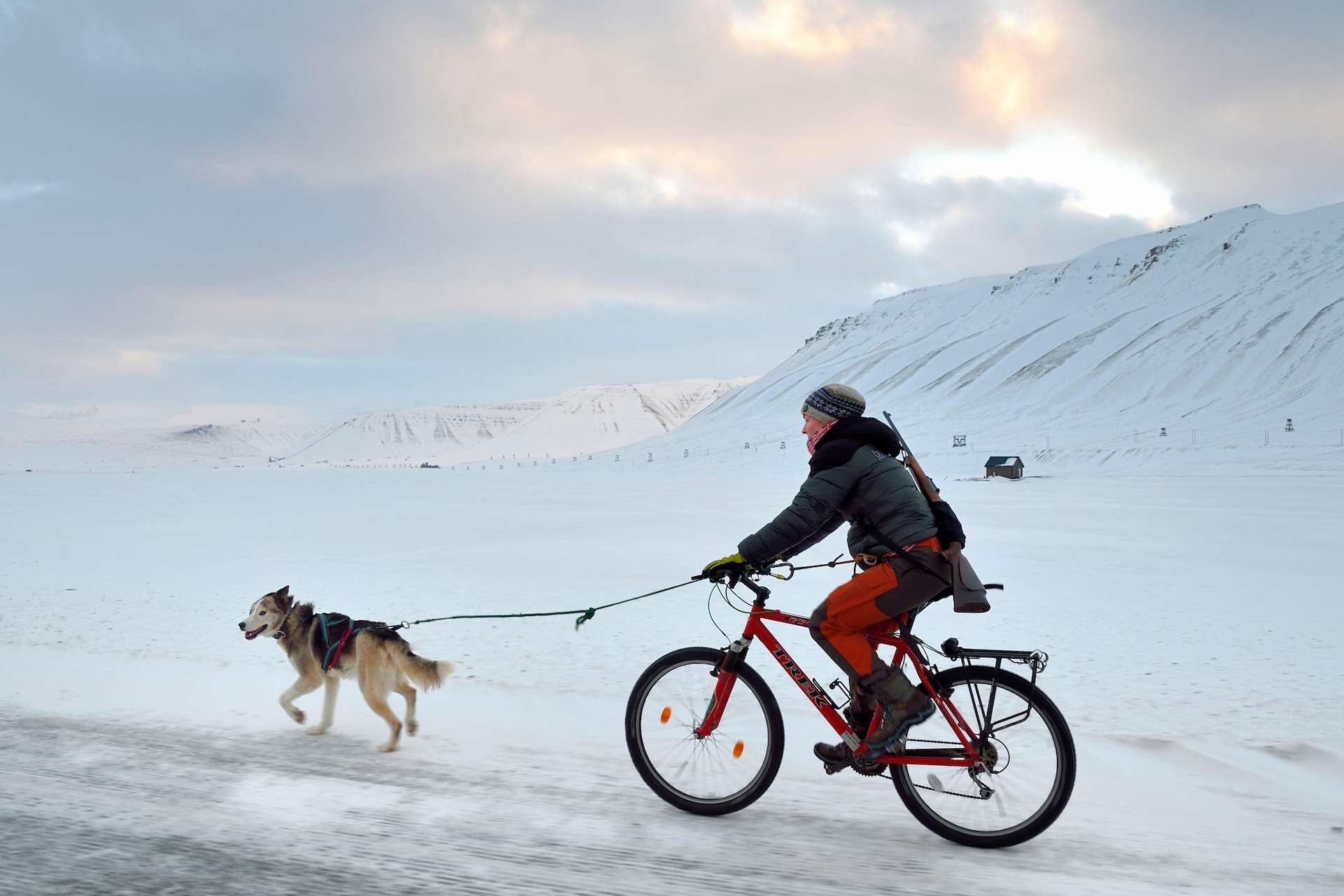
It’s not unusual to see men, women and university students routinely walking about town with rifles slung casually over their shoulders. Yet there hasn’t been a single interpersonal or crime-related incident since the law came into effect in 2011. The one notable exception was when a Russian tourist armed with a rifle robbed a bank, but he was quickly caught.
This strange set-up seems straight out of an episode of The Twilight Zone. However, the guns are for protection against dangerous polar bears, which outnumber the island’s 2,500 human residents.
The Svalbard Environmental Protection Act requires that if you step outside the designated safe zones of the settlement, you must carry a heavy, bolt-action rifle capable of stopping a 500-kg bear dead in its tracks; a simple handgun won’t do.
The uncompromising law came in the wake of a tragic incident in August 2011, when a starving polar bear mauled a British school expedition on a glacier. The group had a rifle, but it jammed repeatedly in the sub-zero air, resulting in the death of a 17-year-old student. The Governor of Svalbard duly toughened up the existing legislation, turning a loose recommendation to carry a rifle into a firm requirement, backed up by proper training.
The rifles are required to be stored inside homes, apartments and student dorms. To prevent unauthorised use, Norwegian law mandates strict “split-storage”: the vital bolt mechanism of the rifle, as well as the ammunition, must be locked away separately.
Furthermore, carrying a loaded weapon inside town limits is strictly forbidden. When entering a public building such as a bank or a supermarket, citizens must use the dedicated gun lockers in the front lobby and do their business unarmed.
With some 50 different nationalities living on the island, the clash of global gun cultures becomes a fascinating sociological experiment. Americans, accustomed to viewing firearms as a tool for self-defence against humans, must adjust to treating them as non-political emergency gear. Conversely, Swiss residents adapt seamlessly, as their home culture already treats weapon-storage as a collective civic duty.
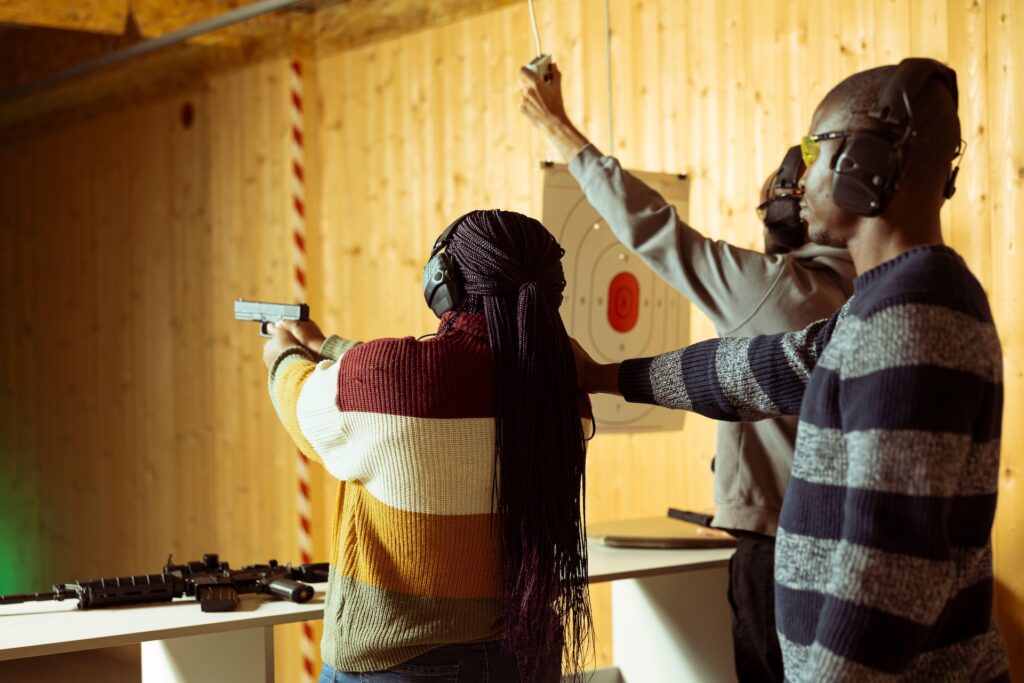
The culture shock is greatest for citizens from highly restrictive Asian nations like Japan or South Korea. Many students arriving from these countries have never seen a real firearm before. Local trainers note that once they undergo mandatory field-safety courses and learn to clear a rifle malfunction under stress, they treat the weapon with the same practical neutrality as a heavy winter coat.
There has been no regular crime or interpersonal violence linked to this firearm culture. Svalbard remains an exceptionally peaceful, low-crime society. A notable exception occurred in December 2018, when a Russian tourist armed himself with a rifle and successfully staged the first-ever bank robbery in the archipelago’s history. However, because Svalbard is an isolated island with no road networks and only one airport runway, he had absolutely nowhere to run. Police arrested him without a single shot being fired.
Of course, the Svalbard model is hardly a blueprint for policymakers, and its importance should not be overstated. However, it does reinforce the view that, depending on the context, firearms can be socially normal and widely present without being a catalyst for crime.