
1. Standards exceed global benchmarks
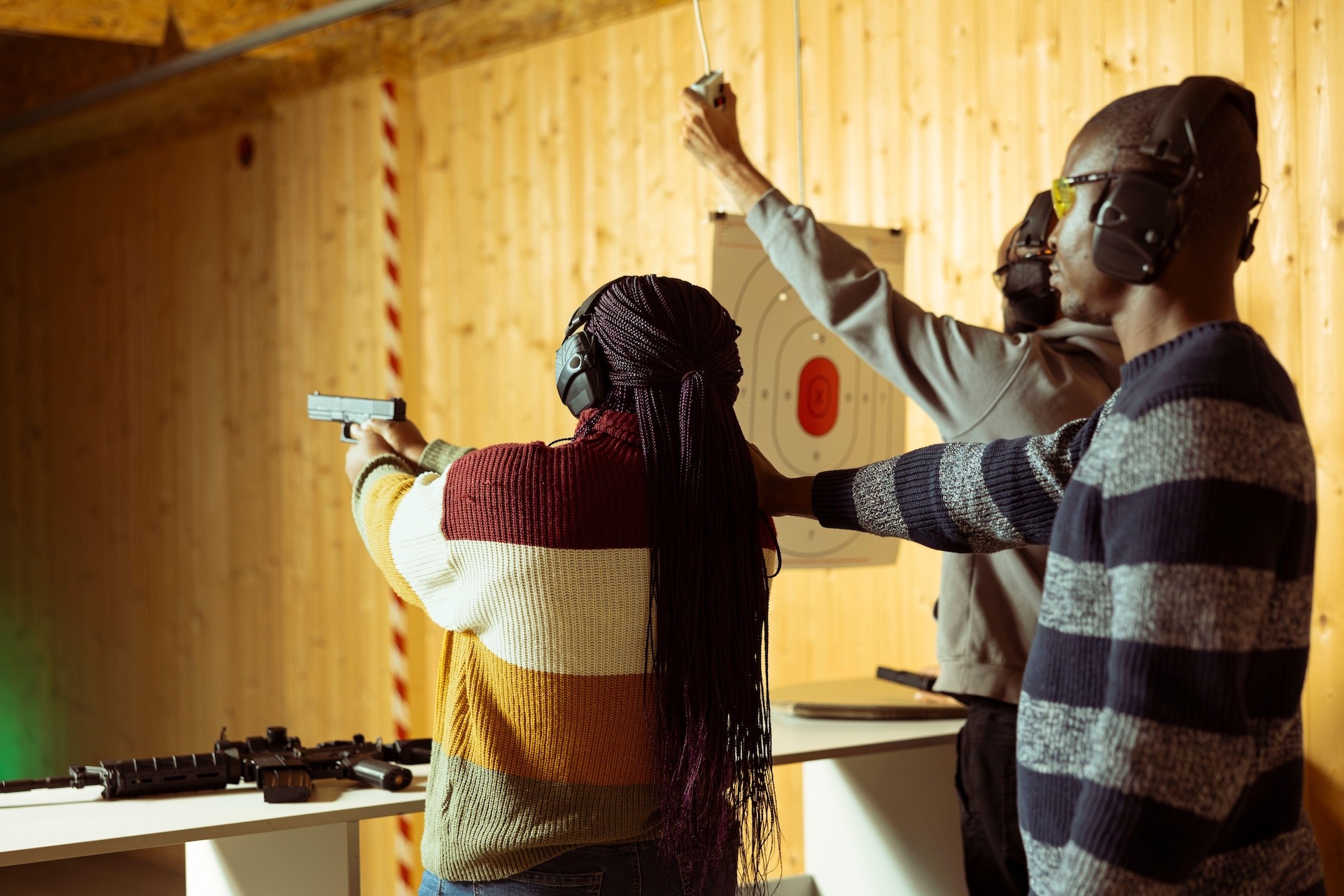
Unlike in many American states, you can’t just walk into a firearm store in South Africa, put money down on the counter and walk out half an hour later with a loaded gun. You must first master extensive theoretical workbooks, pass closed-book exams and learn to shoot on a firing range.
2. Trainers teach internationally
Local trainers are highly sought-after internationally by governments, law-enforcement agencies and private companies. For example, Krugersdorp-based International Training Academy developed training blueprints for the Dubai Police Force and managed their firearms curriculum.
3. Trainers solve real problems
Forged under the intense pressure of a high-crime society, South African firearm instructors have developed techniques not often found elsewhere. These include dealing with multi-perpetrator home invasions, cash-in-transit heists and the hijacking of civilian vehicles.
4. Women take up firearms
Women are the fastest-growing training demographic, shifting traditional range culture. Organisations like Girls On Fire SA and CHS Guns host female-focused clinics. Instructors widely report that women often outperform men because they are more analytical and less ego-driven.
5. Ask questions first – then fire
The notion of shooting first and asking questions later may work in the movies, but not in South African firearms training. Common law on private defence is exceptionally strict. Defensive force must be strictly proportional. If a student fires at a target that is running away or no longer poses an active threat, they fail the entire module instantly.