
Citizens look to themselves rather than the police for their personal safety
The American relationship with firearms often seems like a bewildering spectacle shaped by Hollywood action movies and news headlines of mass shootings. The conclusion seems simple: the United States has too many guns, and therefore too much gun violence.
However, focusing solely on the sheer volume of weapons misses the defining cultural characteristic of the American model. Gun-ownership is not a civic privilege granted by the state – it is an inherent, individual constitutional right.
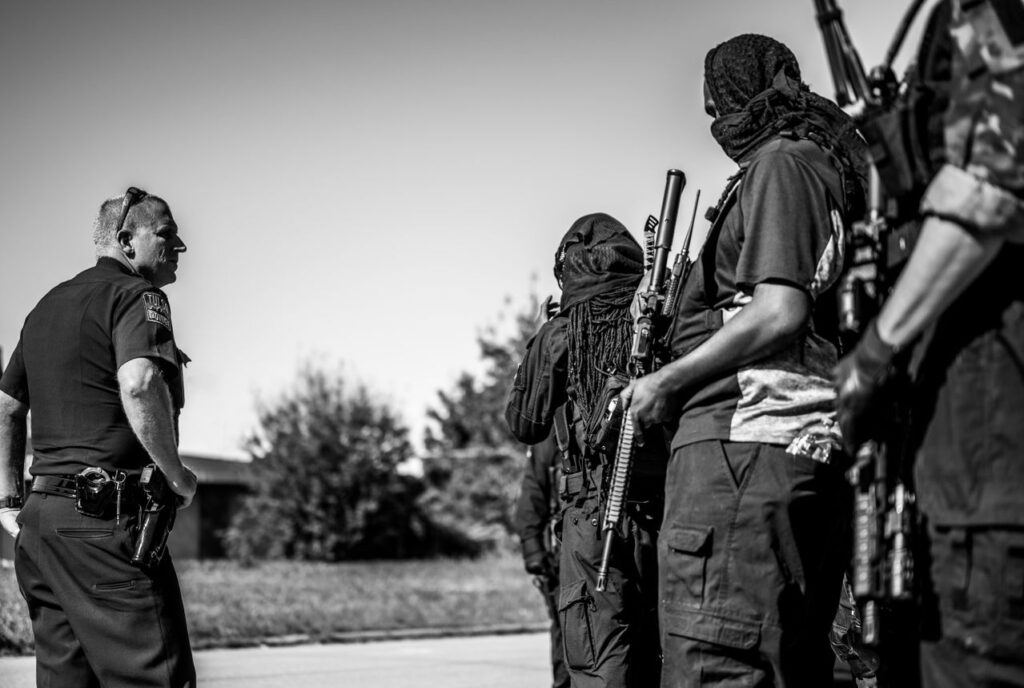
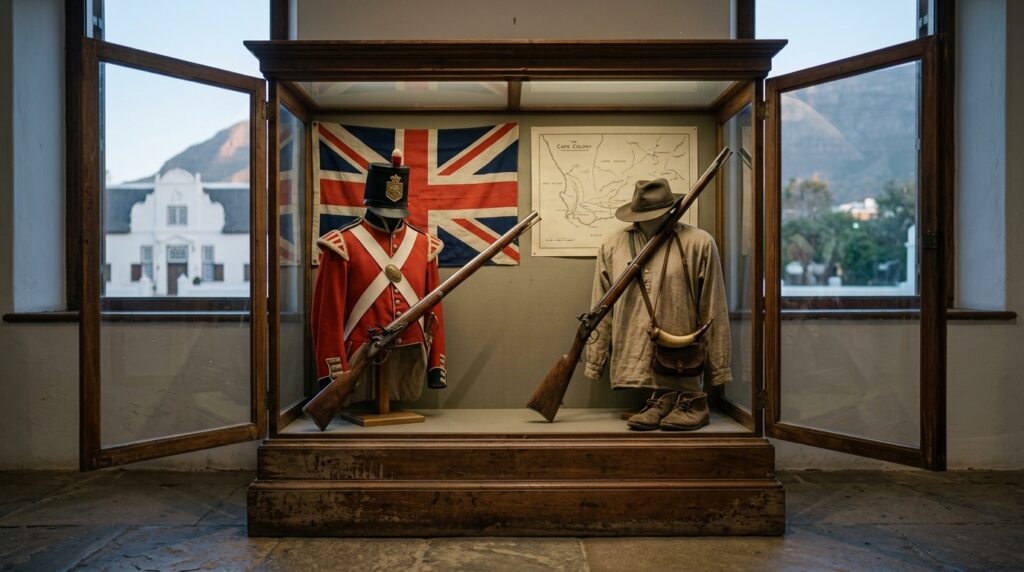
This peculiar model exists because a strong spirit of self-reliance and autonomy is deeply embedded in American popular culture. Historically, the nation’s identity was forged on a sprawling geographic frontier where formal authorities could not be everywhere, forcing early settlers to rely on themselves for immediate protection. This helped to cultivate a cultural ethos of rugged individualism and a distrust of state overreach. Consequently, the responsibility for personal security tended to be placed on the shoulders of the citizen rather than the state.
This philosophy is anchored by the Second Amendment of the U.S. Constitution, which guarantees the right to bear arms, as well as Supreme Court rulings like District of Columbia v. Heller (2008). Unlike most nations where the police are viewed as the primary guardians of public safety, the American legal reality dictates that the citizen is the ultimate first responder. This manifests in legal doctrines found almost nowhere else on Earth. Through the Castle Doctrine– your home is your castle – ahomeowner has no legal duty to retreat from an intruder. If a criminal breaks a window in a Texas suburb at midnight, the homeowner is legally permitted to meet that threat with lethal force immediately, without trying to escape through a back door first.
Furthermore, a majority of U.S. states have enacted “Stand Your Ground” laws, extending this right to public spaces. If a citizen is lawfully present in a parking lot or a public street and faces a perceived mortal threat, they are not legally required to run away or de-escalate. They can stand their ground and fire. The scale of this individual freedom is staggering. In 29 U.S. states, “Constitutional Carry” laws allow law-abiding citizens to carry a hidden, loaded handgun in public without a government permit, a background check or a carry licence.
This absolute emphasis on individual liberty creates a distinct challenge for the firearms industry: the training gap. Because the right to bear arms is constitutionally protected, the government cannot easily mandate safety training or proficiency testing as a prerequisite for ownership. In many states, a person can buy an exceptionally powerful handgun or rifle having never fired a single live round in their life.
It’s tempting to conclude that the mere presence of so many firearms leads to widespread shootings. But criminological data shows that gun violence is fundamentally a localised phenomenon driven by regional socioeconomic stressors, urban density, and shifting demographics. Take the southern state of Louisiana. With its generational poverty, systemic inequality, struggling public schools and drug-related gang battles, it consistently records one of the nation’s highest per-capita gun-homicide rates. A northern state like Maine, on the other hand, with low poverty and minimal urban density, ranks as one of the safest places in the United States, matching or exceeding European averages. And this is despite permissive gun laws and a high rate of firearm-ownership tied mainly to an entrenched, rural hunting culture.
By virtue of its size, demographic diversity and state-specific firearms legislation, the United States may well be the perfect case study for policymakers seeking to understand the complex nature of gun violence.